Structuring a Mirror Range: Craft and Hero Pieces
Two photos landed in the same email last month. The first showed a handful of small mirrors for crafts — shelf-sized pieces, the kind that go in a gift box or get taped above a desk. The second was an ultrafragola mirror: wavy silhouette, soft glowing halo, the piece half the internet has seen in someone else's apartment. One buyer, one season, presumably one purchase order — and somewhere between those two pictures sits the unglamorous decorative wall mirror that actually pays the freight.
We build illuminated bathroom mirrors, made-to-spec mirrors for hotel projects and vanity mirrors, and our shipments go to North America and Europe.
So this pairing shows up often, and it is worth explaining why it works — and where it goes wrong.

Why are the fringe and the centerpiece different purchases?
Buyers treat them as one category because they look like cousins on a mood board — on a line sheet they behave nothing alike.
Craft-scale pieces move fast. Low ticket, high turns, easy to ship, easy to break.
The statement piece moves slowly — high ticket, photographed constantly, expensive to pack, and the one item in a range that customers screenshot instead of buying.
Then there's the middle: the decorative wall mirror that sells in volume, quietly, all year, to people who just moved into a new place.
The mistake we see most? A buyer orders 50 pieces, splits them evenly across all three, and ends up with a stockroom shaped like their Pinterest board instead of their sales history.
The hero piece should be the smallest line on the sheet, not the largest.
Search behaviour tells the same story. Someone typing small mirrors for crafts wants a pack size, a price and a dimension.
Someone typing ultrafragola mirror wants a look — they often don't know or care what's behind the glass. Someone typing espejos decorativos is shopping in Spanish, comparing shapes and finishes.
Three different buyers walk into the same product page. Write for all three and you write for none.
What decides a craft-scale mirror range?
Handling, not glass — the customer picks the object up, flips it over and looks at the back.
At that size the customer touches the object, so the questions that decide a review score are boring ones.
Is the edge finished cleanly? Is the backing covered? Does the hanging hardware survive being dropped in a retail carton?
A few things we raise with buyers early:
- Sets or singles. A three-pack and a single are different products with different packaging, and a gift-shop buyer will want to know which one they're pricing.
- Packaging for small-parcel transit. A mirror the size of a hand still cracks. If the channel is e-commerce, the retail box is part of the spec, not an accessory.
- Materials. Glass, safety-backed glass or a non-glass face are all valid answers — but the supplier needs to know which one before tooling, not after.
There's a commercial reality here too. Our opening order is 50 pieces with a 15–25 day production window.
For a fast-turning craft item, 50 identical mirrors can be a lot — or exactly right, if you're supplying a chain.
Discuss the split across shapes and colours before the sample is signed off, because reshuffling it afterwards costs the calendar.
| Tier | Role | Share of the opening order |
|---|---|---|
| Fringe | Craft-scale pieces, gift and e-commerce channel | Small block, tests the channel |
| Core | Clean, well-priced decorative wall mirror | Most of the order |
| Hero | Statement unit, samples or a very short run | One or two units |
Why is an ultrafragola mirror an electrical object?
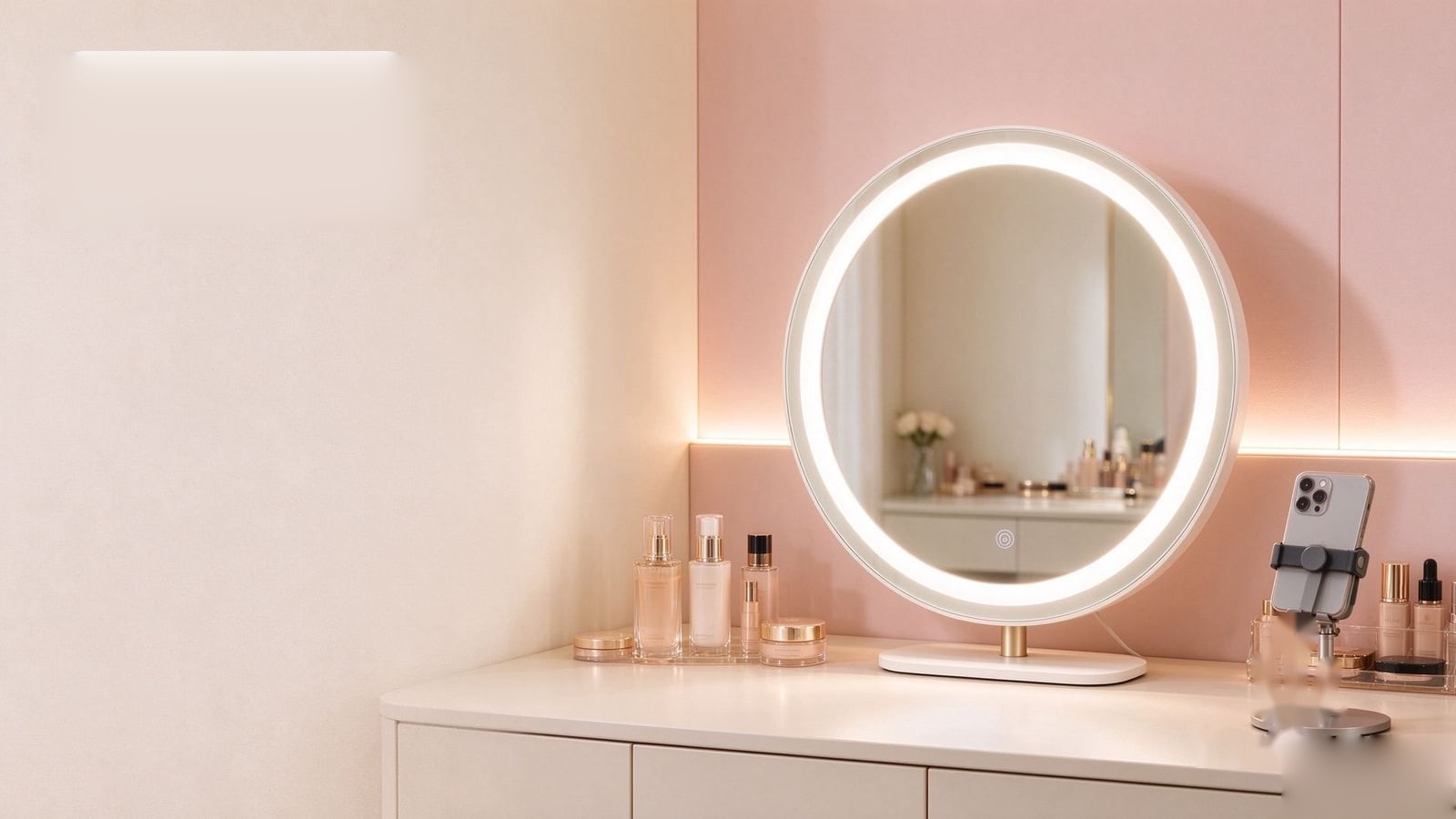
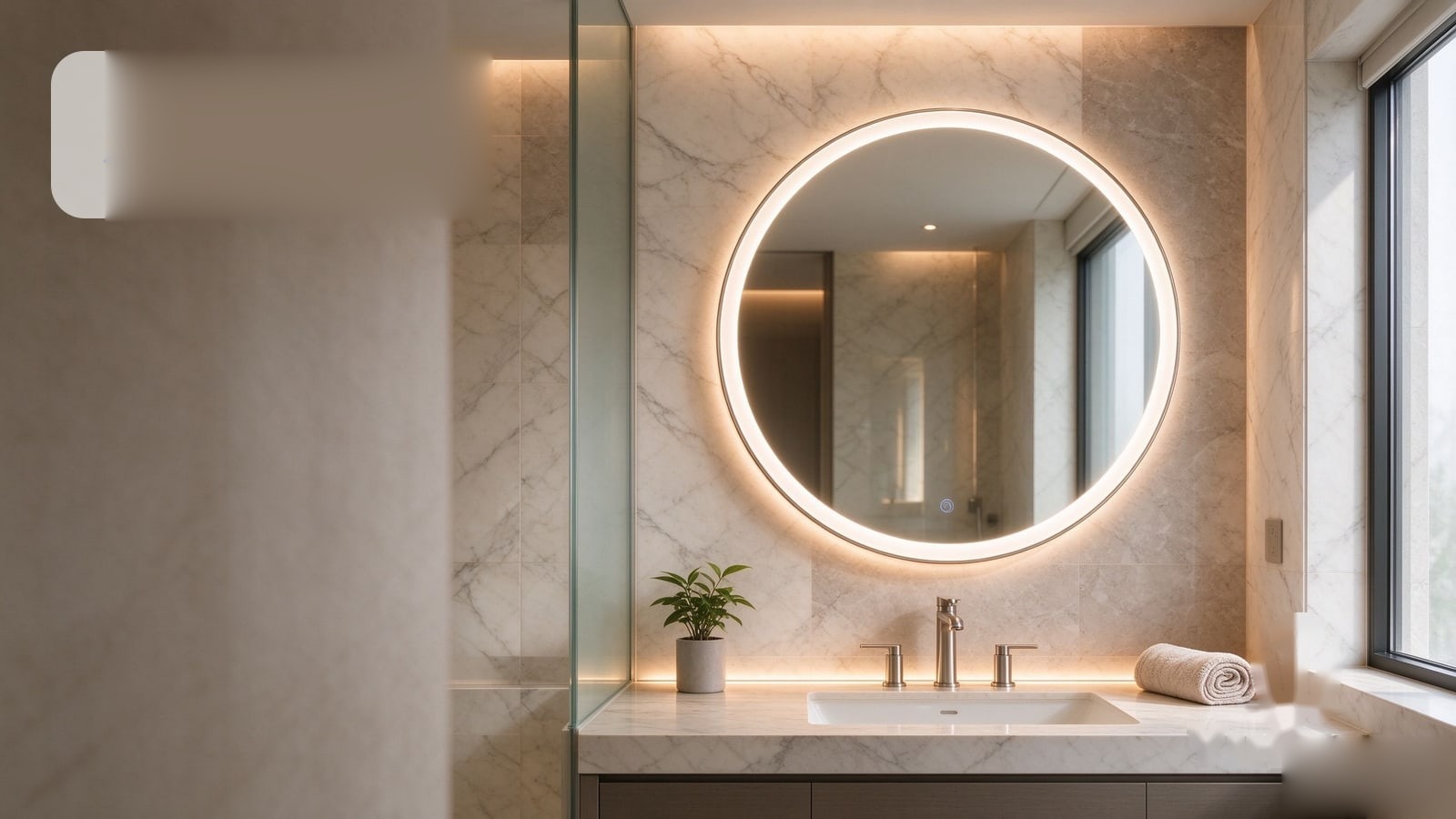
Because a backlit sculptural mirror is a lamp that happens to have glass in it.
That reframes the whole spec. What actually has to be decided:
The light. Colour temperature, brightness, whether it dims, and whether the glow reads as a halo behind the silhouette or a flat wash. Those are design decisions with a technical answer attached.
The hardware. Where the driver sits, where the cable exits, whether there's an inline switch or a wall switch.
On an irregular silhouette there's no convenient straight edge to hide any of this, so it gets designed in, not added later.
The mounting. A wavy, sculptural form is usually heavier and more awkward than its footprint suggests, and it needs a wall system that keeps it flat without pinching the light source.
The carton. Odd shapes need custom foam, and the shape that looks effortless on a render is often the reason a freight quote surprises you.
Then compliance, where a decorative object quietly becomes a regulated one. Our production carries CE and ETL marks, which is what European and North American channels expect.
If a backlit statement piece is joining a range, ask about that paperwork at the sample stage. Retrofitting certification onto a finished design is nobody's favourite month.
We take on OEM and ODM work, so this kind of piece is a normal conversation — but it starts with the light, not the outline.
Why does espejos decorativos hide two buyers?
Because the Spanish-language query is not a translation exercise — trade and end-shopper hide inside it.
The first is trade: a distributor or retail buyer in Spain, Mexico or the US Hispanic market sourcing a range.
They want consistency across a container, repeatable finishes and documentation they can hand to their own customers.
The second is the end shopper, arriving through social or a marketplace, who is browsing by look. They will not read a spec sheet — they will look at four photos and decide.
What that means on a manufacturer's side is fairly simple: keep model naming literal and dimensional, and keep the spec sheet bilingual where you can.
Don't let a poetic marketing name hide the actual measurements. Distributors relabel. They cannot re-measure.
Also worth remembering — the mirror is the same mirror. Whether the carton is bound for Madrid, Monterrey or Ohio, the glass, the frame and the backing don't change.
What changes is the labelling, the paperwork and, on illuminated models, the voltage and plug conversation.
Get that into the brief at the start and it's a footnote; get it in at the end and it's a delay.
How should the line sheet hold both ends?
Fringe, core, hero — in that order of quantity. Fringe turns, core pays, hero sells the brand.
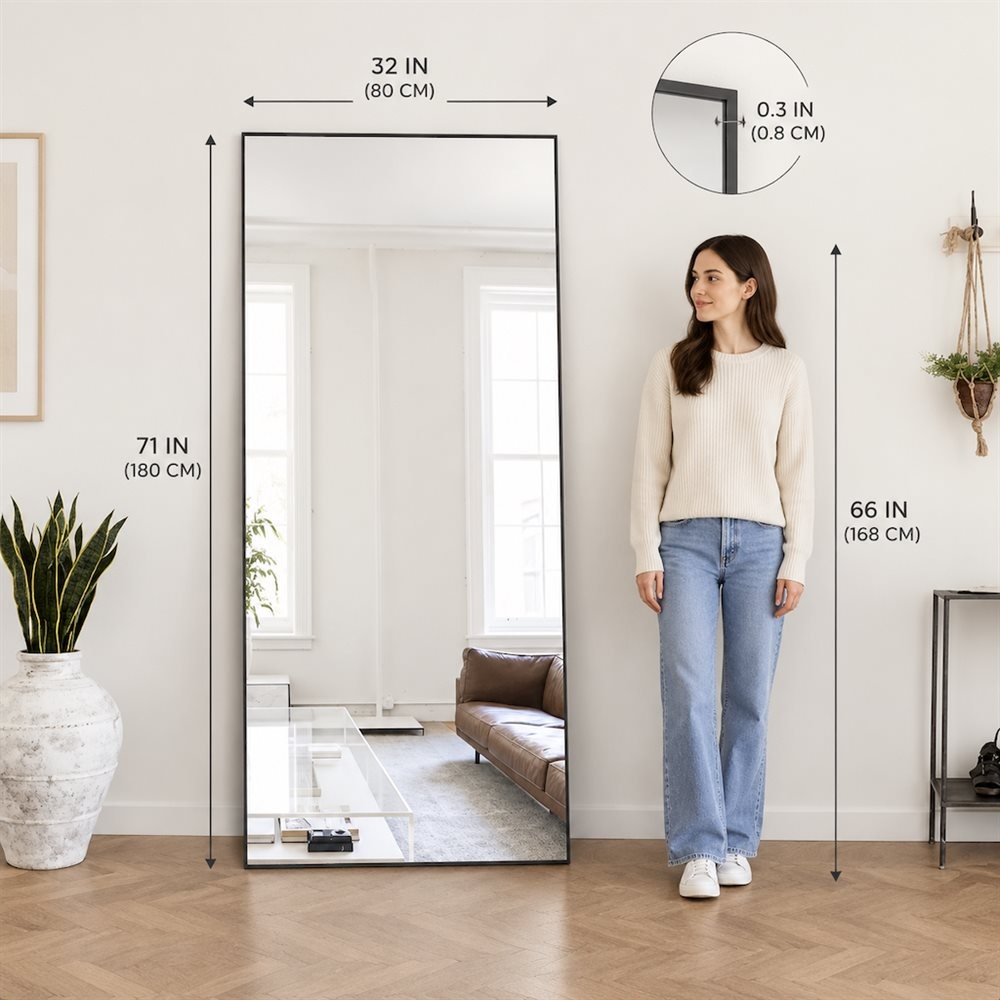
If you're building a decorative wall mirror programme that spans craft pieces and a hero statement, most of the opening order sits in the middle.
That middle is the clean, well-priced decorative wall mirror that a hotel, a rental developer or a furniture retailer can repeat.
A small block of craft-scale pieces tests the gift and e-commerce channel without much risk. One or two statement units come in as samples or a very short run.
That way you can photograph them, test the freight, and see whether customers actually reach for them. Then leave the line alone for a season.
Fifteen to twenty-five days of production plus transit is not the schedule for mid-season reinvention.
常见问题 → FAQ
What is your minimum order and lead time?
The opening order is 50 pieces, and production runs 15–25 days once the spec and sample are confirmed.
Can you produce an ultrafragola-style backlit statement mirror?
Yes — OEM and ODM projects are a regular part of our work. Send the silhouette, the light behaviour you want and the mounting intent, and we'll build the sample from there.
Do your products carry CE and ETL certification?
They do. CE covers the European market, ETL covers North America, which matches where we ship.
Can one order mix small craft-scale mirrors with large decorative wall mirrors?
Yes, buyers often build a season's range from a single order. The 50-piece figure is set at order level, so the split across shapes and sizes is a planning conversation to have before sampling.
What's the most common mistake with small mirrors for crafts?
Skipping the packaging spec. Buyers focus on the glass and the price, then watch returns pile up because the retail carton couldn't survive a small-parcel journey. Decide the box at the same time you decide the mirror.
Author: Yucron Content Team | Company: YuCron (驭辰科技), Shahe, Hebei, China Last updated: 2026-10-25 Data sources: YuCron company profile, certifications list and manufacturing capabilities pages (yucron.com, accessed 2026-10). Scope note: Commercial terms (MOQ 50, 15–25 day lead time) reflect YuCron's published terms as of October 2026. Confirm current terms in each quotation.
Related Yucron Products
- antique carved full-length mirror
- what an icon photo teaches a mirror order
- Reference note: Hero-piece versus craft-piece curation is exactly what the V&A mirror collection shows (view)