Shelving Design Trends 2026: Small-Space Living
As urban housing costs soar across major European and North American cities, apartment dwellers and interior designers are rethinking storage fundamentally. The 2026 shelving renaissance isn't about hiding clutter—it's about curating it. Strategic shelving transforms cramped studios into gallery-like living spaces while solving the perennial problem: where does everything go?
This guide explores design trends, practical applications, and sourcing strategies that resonate with modern apartment living.
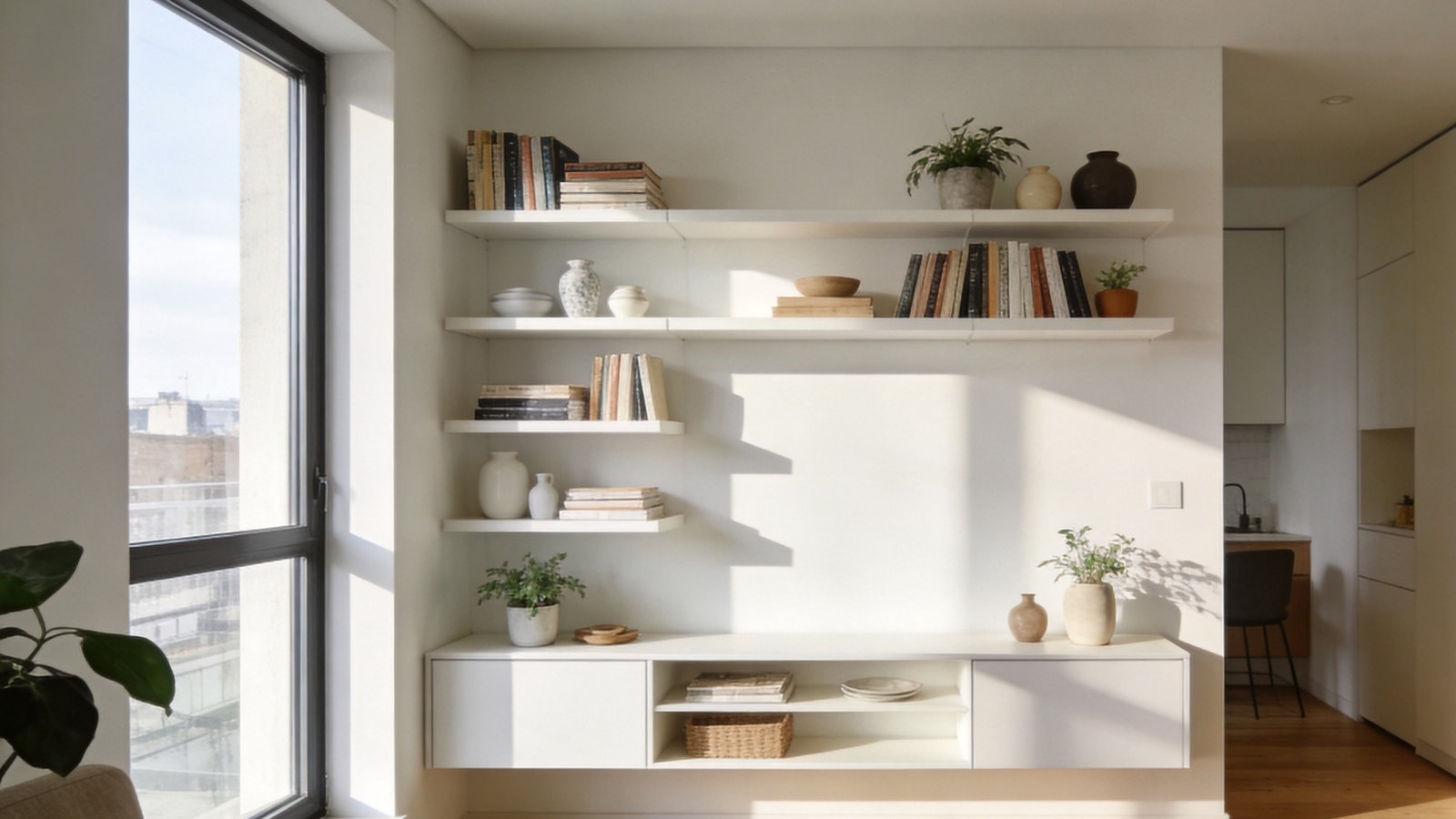
1. The Shift from Closed Storage to Open Shelving
Why Open Shelving Dominates 2026 Design
- Visual Lightness: Open shelves create sightlines across small rooms, making 40 m² apartments feel airier.
- Accessibility: Daily items remain visible and reachable; no bending into deep cabinets.
- Aesthetic Display: Carefully arranged books, plants, and decor become interior focal points rather than hidden clutter.
- Cost Efficiency: Quality open shelving costs 40–60% less than built-in cabinetry; rent-friendly for temporary dwellers.
Design Psychology
Interior designers across Berlin, Copenhagen, and Amsterdam credit open shelving with the "Japandi" movement—fusion of Japanese minimalism and Scandinavian functionality. The trend has moved mainstream, with platforms like Pinterest and Instagram amplifying demand for aesthetically curated, visible storage.
2. Leading Shelving Trends in 2026
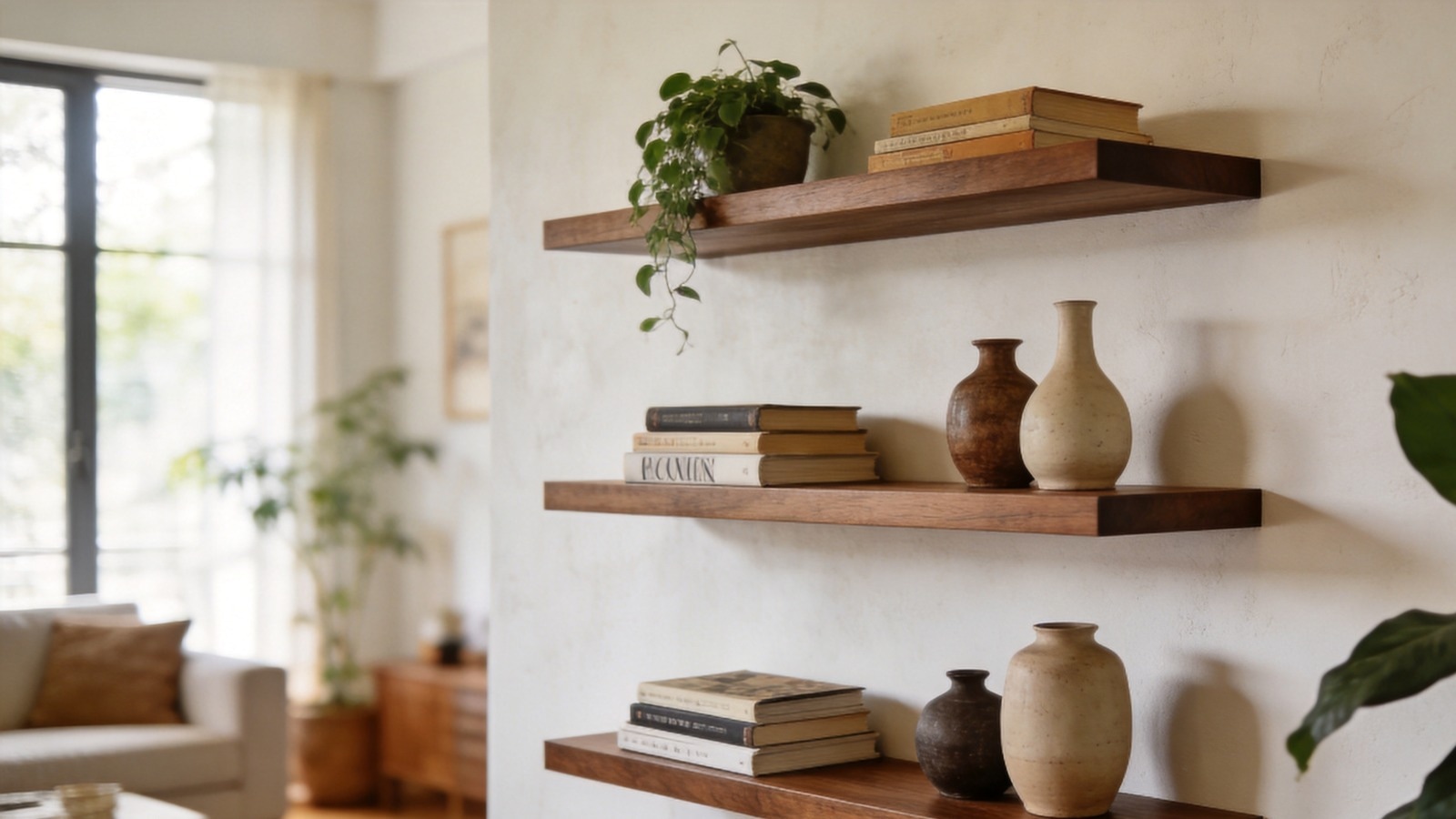
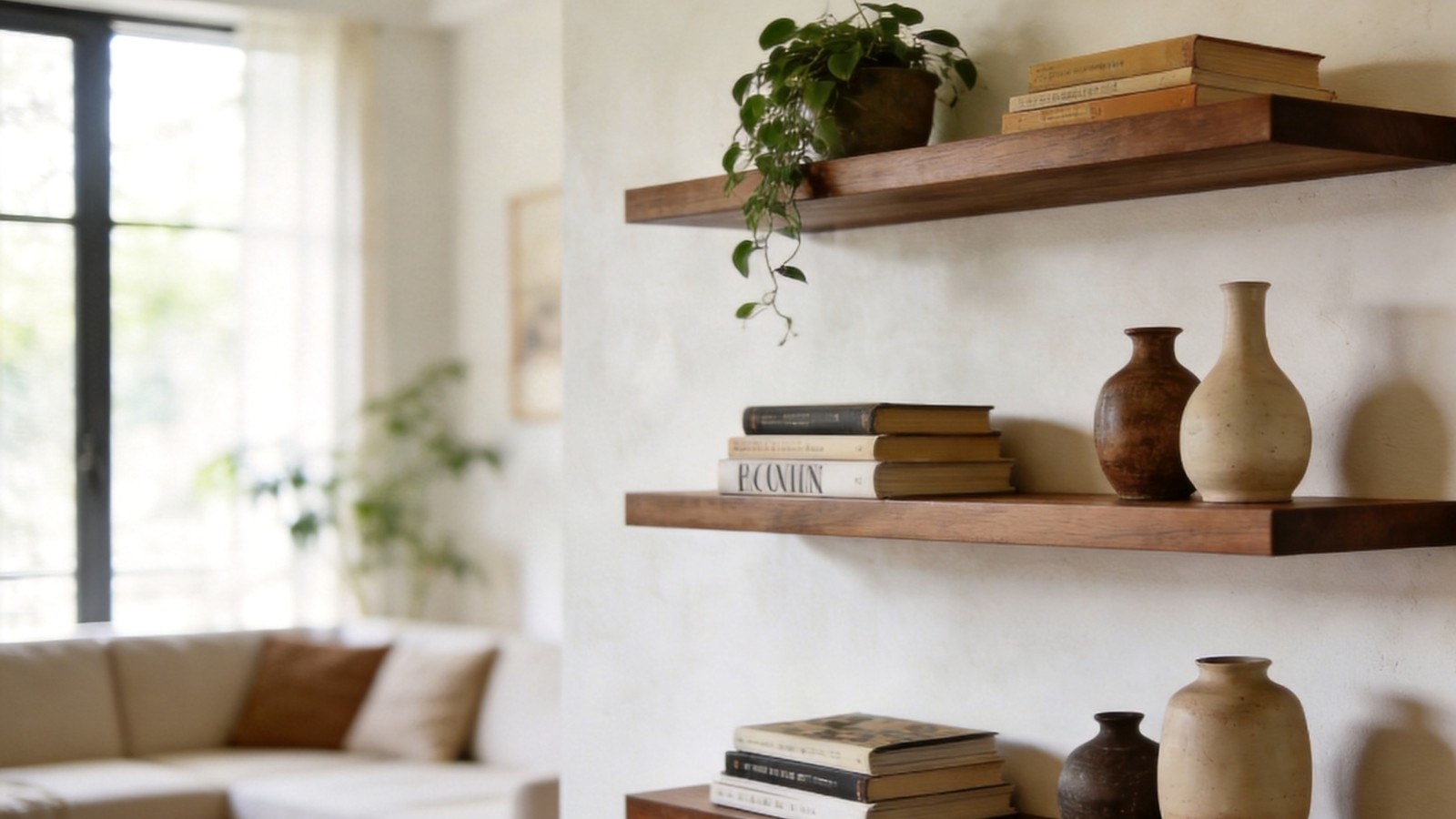
Trend 1: Floating Shelves with Minimalist Brackets
- Aesthetic: Wall-mounted, bracket-concealed shelves create illusion of objects "floating."
- Material: Solid wood (walnut, oak), powder-coated steel supports in matte black or white.
- Typical Sizing: 80–120 cm W, 20–25 cm D (shallow profile for visual lightness).
- Load Capacity: 30–50 kg per shelf; ideal for books, small decor, and lightweight plants.
- Installation Challenge: Requires stud-finding and heavy-duty wall anchors; unsuitable for renters without permission.
Trend 2: Modular Corner Shelving Units
- Function: Maximizes corner "dead space"—typically wasted in apartments.
- Design: Ladder-style or L-shaped metal frames with 3–5 tiers.
- Materials: Industrial metal frames (steel/aluminum) with wooden or metal shelves.
- Footprint: Compact (70–90 cm W/D); fits under windows or beside doors.
- Advantage: Renter-friendly; requires no wall drilling—sits securely against two walls.
- Cost: ¥400–800 retail ($55–110 USD); accessible entry point for young professionals and students.
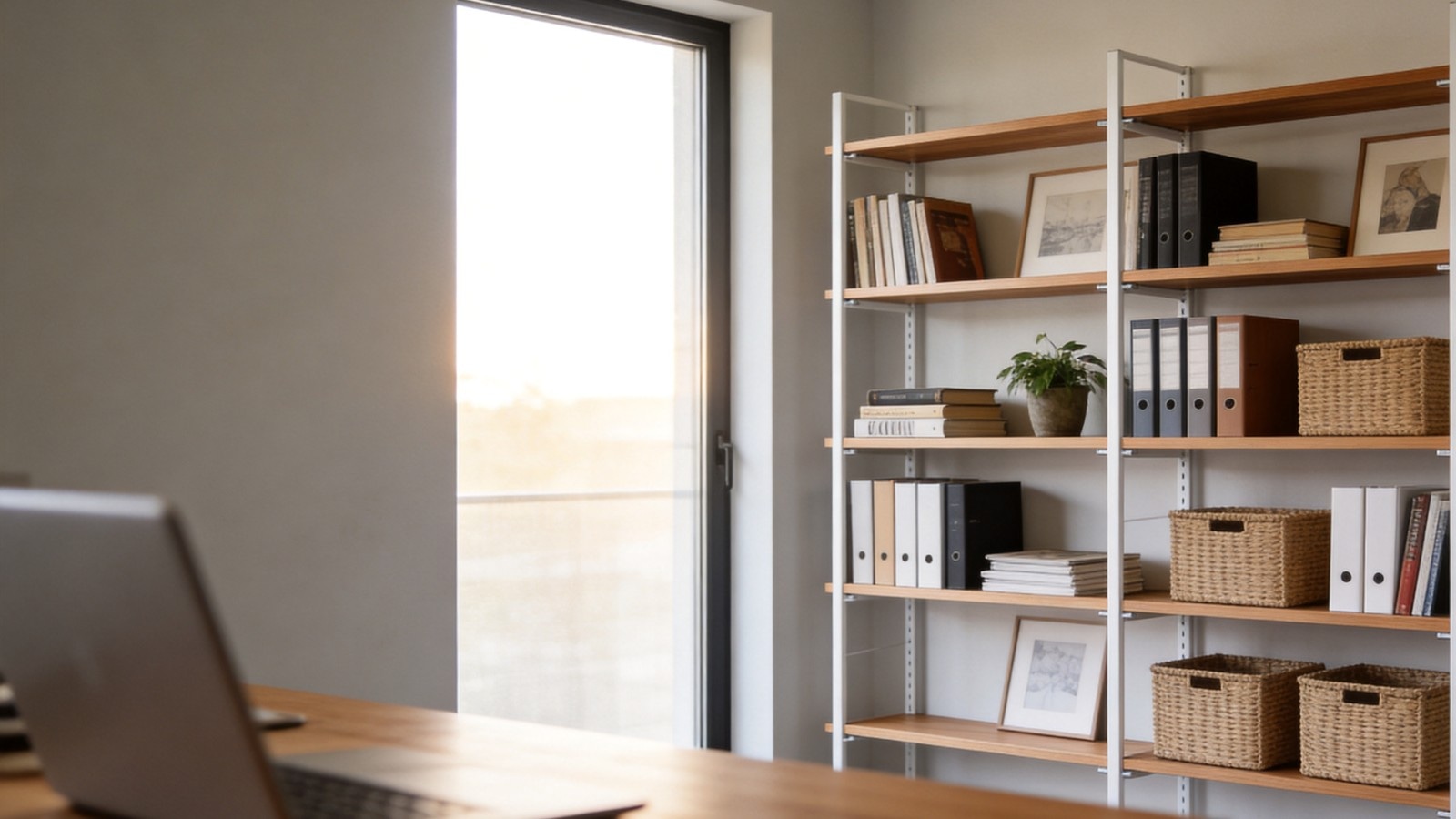
Trend 3: Scandinavian Wall-Mounted Shelving Systems
- Aesthetic: Clean lines, adjustable heights, modular expansion.
- System Design: Rails mounted vertically; shelves clip/bolt onto brackets at any height.
- Flexibility: Users reconfigure without tools; shelves slide up/down to accommodate changing storage needs.
- Color Palette: White, natural wood, muted grays; cohesion with minimalist interiors.
- Brand Examples: Inspired by String, Muuto, and Hay (Danish design leaders).
- Price Point: ¥600–1200 for 2–3 shelf starter kits; premium positioning in European market.
Trend 4: Asymmetrical & Staggered Shelving
- Aesthetic: Deliberately irregular shelf placement creates visual interest and personality.
- Design Logic: Different shelf widths (60, 80, 100 cm) at staggered heights across one wall.
- Material Mix: Combines wood, metal, and glass for texture variation.
- Psychology: Breaks monotony of uniform shelving; appeals to creative professionals and Gen-Z renters.
- Installation Skill: Higher difficulty; benefits from professional design consultation.
Trend 5: Industrial Pipe Shelving with Wood Decking
- Aesthetic: Exposed metal piping + reclaimed or industrial wood creates "warehouse-chic" vibe.
- Construction: Galvanized steel pipes (1–1.5" diameter) with wooden planks (walnut, pine) as shelves.
- Durability: Pipe frames support 80–150 kg per shelf; extremely robust for long-term rental/ownership.
- Customization: DIY-friendly kits available; appeal to hands-on homeowners.
- Cost: ¥800–1600 DIY (materials); ¥2000–4000 professionally installed.
- Popular in: Berlin lofts, Amsterdam studios, London shared housing.
3. Shelving Psychology & Curation Principles
The "Visible Storage" Formula
- Ratio: 60% functional items (books, kitchen utensils), 40% decorative (plants, art, personal objects).
- Height Zones: Eye-level (90–150 cm) reserved for beautiful, frequently accessed items; higher/lower for utility.
- Color Blocking: Group items by color (all white ceramics together) to create visual coherence in small spaces.
- Breathing Room: Leave 25–30% of shelf space empty; overstuffing defeats the aesthetic purpose.
Popular Display Items on 2026 Shelves
- Plants: Trailing pothos, snake plants (low-light tolerant); air-purifying, aesthetically soften industrial shelves.
- Books: Arranged spine-out (organizational) or stacked horizontally with book props (casual elegance).
- Ceramics & Glassware: Open shelving showcases artisanal mugs, colored glassware, and minimalist vases.
- Personal Collections: Vinyl records, photography, travel souvenirs—storytelling through curation.
- Lighting Accents: Small LED strips or paper lanterns add warmth without permanent electrical work.
4. Practical Applications in Compact Apartment Spaces
Studio Apartment (25–35 m²)
- Bedroom Zone: Floating shelves above desk eliminate need for nightstand and dresser.
- Kitchen Nook: Open shelving replaces upper cabinets; smaller items more accessible; easier to clean.
- Living Area: Corner unit anchors room, reduces floor clutter (shoes, bags, decor).
- Storage ROI: Reclaims ~8 m² of usable floor space through vertical storage.
1-Bedroom Urban Apartment (50–70 m²)
- Entryway: Low modular shelving (60–80 cm H) stores keys, mail, and shoe collection without visual intrusion.
- Living Room: Wall-length asymmetrical shelving creates feature wall; replaces TV stand + bookcase.
- Bedroom: Floating shelf above workspace; another floating shelf for bedside storage.
- Bathroom: Narrow corner unit (40 cm W) organizes toiletries, towels, and seasonal items.
- Result: 15–20% increase in perceived space; eliminates need for 2–3 standalone furniture pieces.
Rental Apartment Constraints
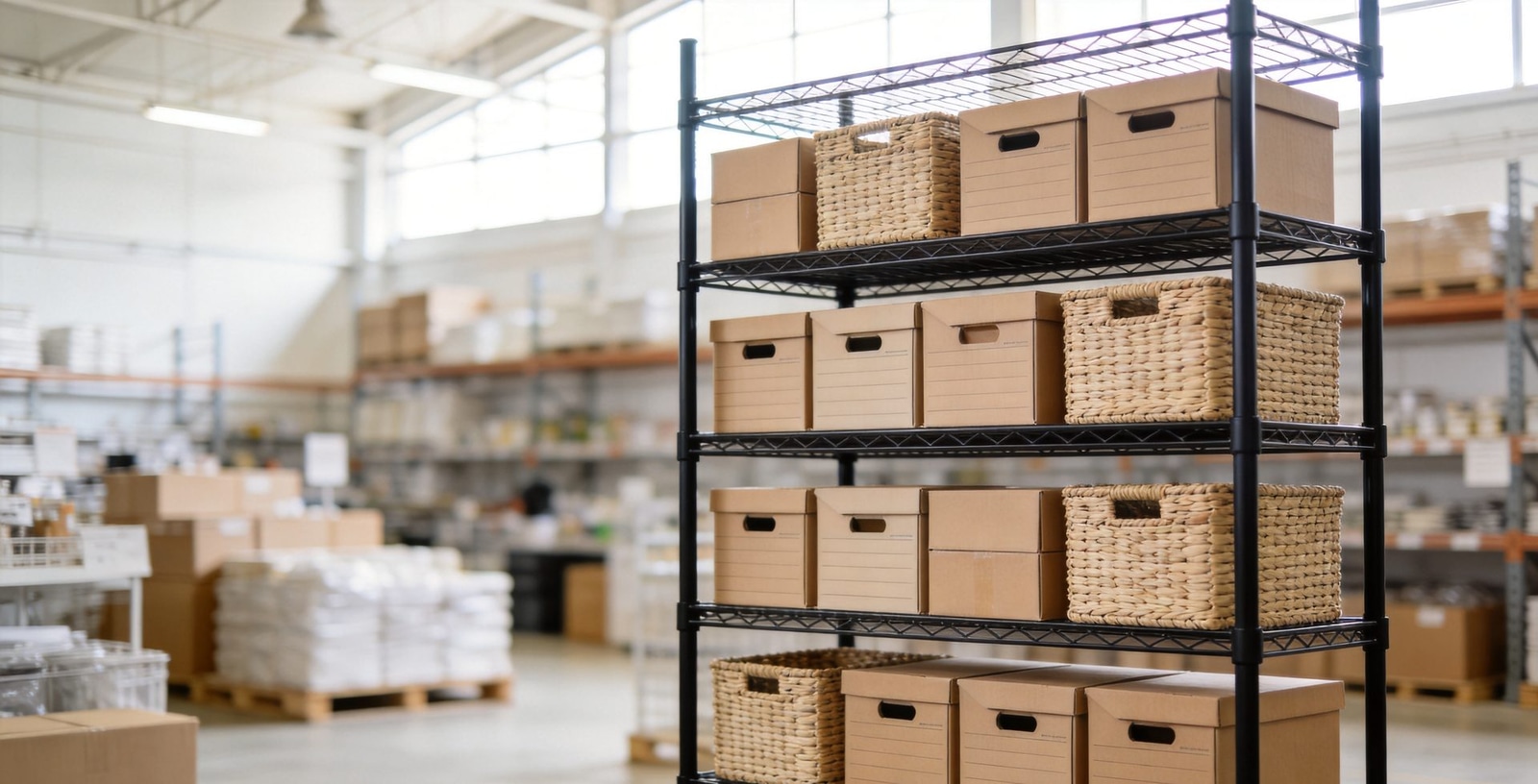
- Non-Damage Options: Freestanding metal frames (no wall mounting) = no landlord objections.
- Easy Removal: Modular systems disassemble in 30 minutes; leave walls undamaged.
- Aesthetic Flexibility: Renters swap decor seasonally; shelving becomes neutral canvas.
5. Material Science: Choosing Shelf Durability
| Material | Load Capacity | Durability | Maintenance | Cost | Best For |
|---|---|---|---|---|---|
| Solid Wood (Walnut) | 40–80 kg | 10+ years | Monthly oil | ¥600–1000/shelf | Display, living rooms |
| Engineered Wood | 30–50 kg | 5–7 years | Dust regularly | ¥200–400/shelf | Renters, temporary |
| Tempered Glass | 25–40 kg | 8+ years | Weekly polish | ¥300–600/shelf | Modern, minimalist |
| Powder-Coated Steel | 150–400 kg | 15+ years | Annual spray | ¥100–250/shelf | Industrial, heavy-use |
| Aluminum Composite | 80–200 kg | 10+ years | Low maintenance | ¥150–300/shelf | Modern, lightweight |
Pro Tips
- Avoid MDF in Humid Climates: Particle board swells in bathrooms/kitchens; opt for tempered glass or steel.
- Wood Finishes: Matte varnish hides dust; glossy shows fingerprints daily.
- Hardware Visibility: Concealed brackets (floating) = premium aesthetic; exposed brackets (industrial) = budget-friendly character.
6. The Business Case: Why Importers Succeed with Shelving Units
Shelving is among the highest-margin home organization products for e-commerce:
- Low Shipping Cost: Flat-pack, disassembled units reduce dimensional weight; 1-2 units fit standard parcel dimensions.
- High Perceived Value: Customers pay ¥1500–3000 ($200–400 USD) for designer-branded shelving; manufacturing cost ¥300–600.
- Repeat Purchases: Apartment dwellers acquire multiple units seasonally (spring refresh, new rentals, upgrades).
- Low Return Rate: Unlike clothing/electronics, shelving has minimal fit/function variance; returns <3%.
- Upsell Ecosystem: Shelving anchors broader product lines (brackets, hardware, decor, lighting).
7. Sourcing & Customization for Your Brand
When partnering with factories, specify:
- Material Combo: Steel frame + walnut veneer + matte black powder coat = premiumization.
- Modular Sizing: Standard 80/100/120 cm widths; 3/4/5-tier options.
- Weight Specifications: Clear load table stamped on packaging; customer confidence driver.
- Packaging: Protective corner guards, kraft paper, minimal plastic; align with eco-conscious buyer expectations.
- Assembly Documentation: QR codes linking to 90-second installation video reduce customer support inquiries by 70%.
Conclusion
Shelving design in 2026 reflects a fundamental shift in how urban dwellers relate to their possessions and spaces. Rather than concealing clutter, contemporary shelving invites curation and storytelling. For importers, designers, and apartment dwellers, investing in quality, aesthetically intentional shelving units—sourced directly from certified manufacturers—unlocks both functional storage and emotional satisfaction.
Whether stocking Amazon, building a direct-to-consumer design brand, or personal home transformation, modern shelving merges utility with aspiration. That's why shelving has evolved from afterthought to interior statement piece.
Interested in sourcing custom shelving units for your brand? Our factory delivers design-forward, OEM/ODM-capable storage solutions certified for European and North American markets. Contact us for concept-to-prototype consultation and competitive bulk pricing.
Related Reading
- modern shelving units: European storage solutions
- commercial shelving systems sourcing guide
- Standards note: European storage furniture references EN 14749 (view)