
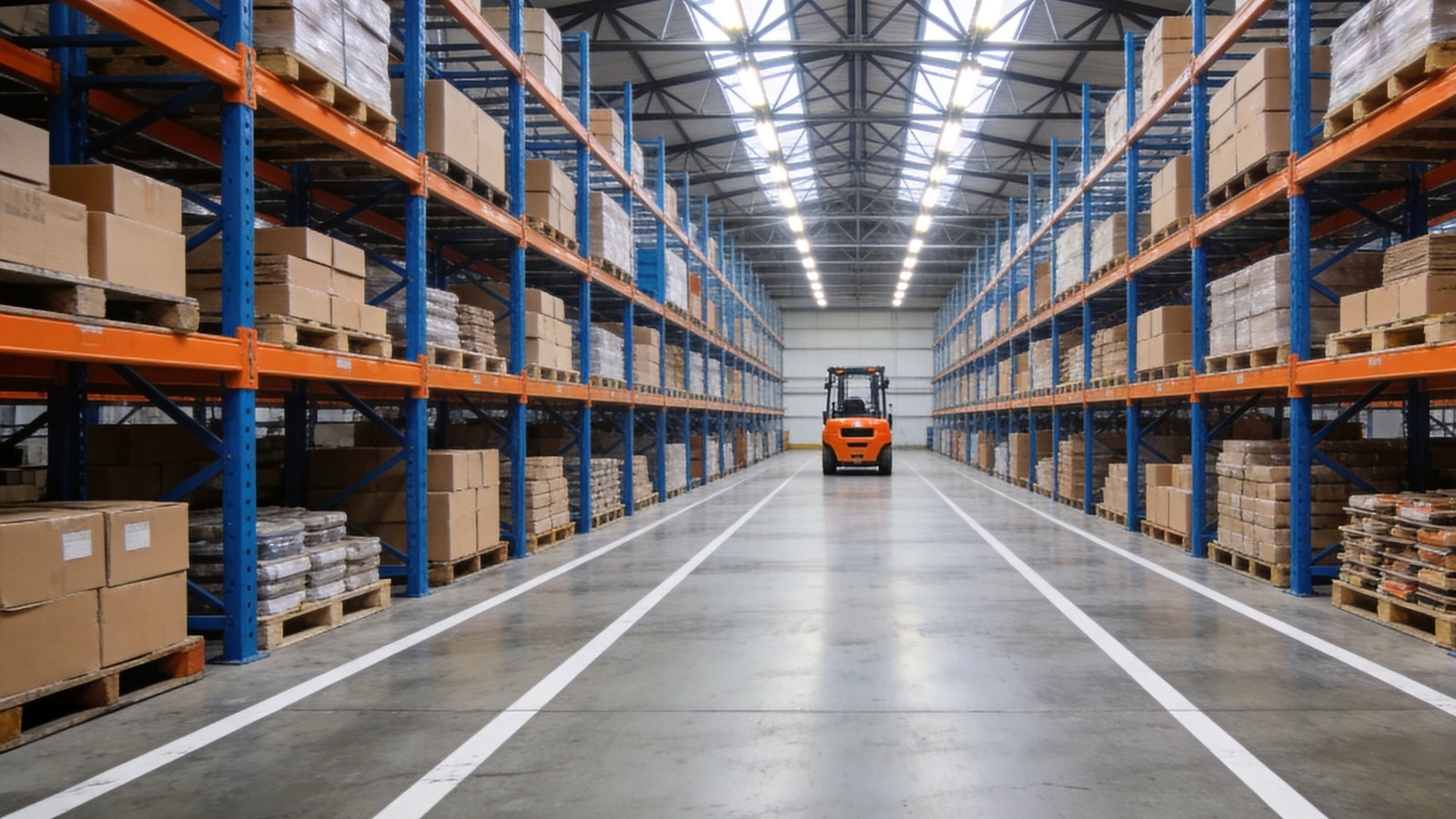
Industrial Metal Shelving Racks: Warehouse Guide
For logistics operators, warehouse managers, and retail chain buyers across Europe and North America, industrial metal shelving racks are the backbone of efficient inventory management. In 2026, rising logistics costs and space constraints have intensified competition among storage solutions providers. Understanding the specifications, certification standards, and sourcing strategies for heavy-duty shelving is critical for maintaining operational efficiency and cost control.
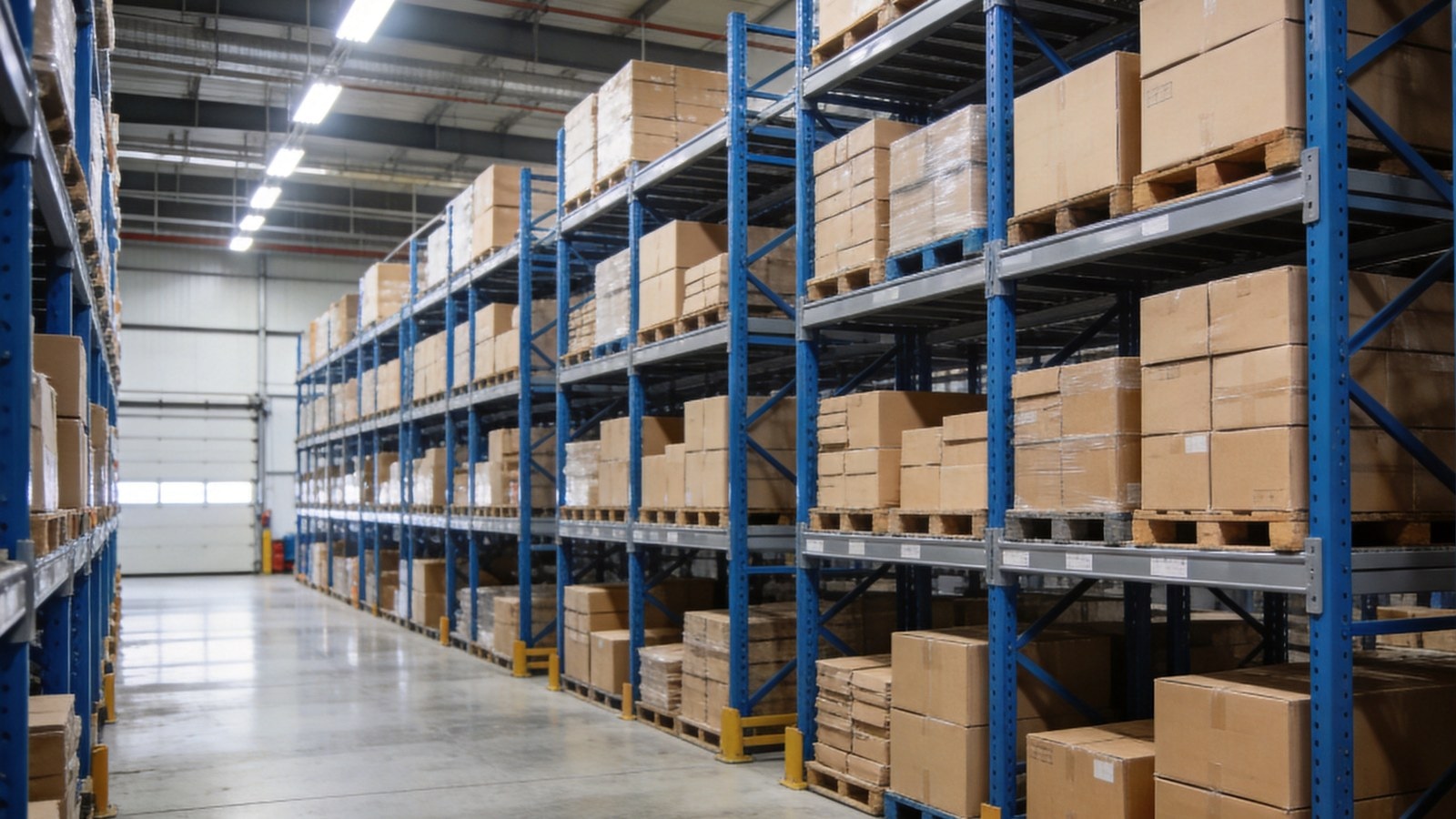
1. Industrial Shelving Fundamentals: Load Capacity & Material Standards
Industrial metal shelving serves three core functions:
- Vertical Space Maximization: Converting floor space to cubic storage, reducing real estate footprint and overhead costs.
- Inventory Accessibility: Organized, labeled shelving accelerates picking, packing, and order fulfillment cycles.
- Safety & Compliance: Proper load distribution and certification prevent workplace injuries and regulatory violations.
Load Capacity Tiers
- Light-Duty: 50–100 kg per shelf; suited for office supplies, electronics components, apparel.
- Medium-Duty: 150–300 kg per shelf; ideal for automotive parts, food packaging, small tools.
- Heavy-Duty: 400–800 kg per shelf; essential for machinery parts, building materials, industrial equipment.
- Ultra-Heavy-Duty: 1000+ kg per shelf; specialized for foundry, metalworking, and large-item storage.
Material Specifications
- Cold-Rolled Steel: High tensile strength, rust-resistant surface treatment (powder coating, galvanizing).
- Aluminum Alloy Composites: Lightweight alternative for corrosive environments; 60% weight reduction vs. steel with 85% load capacity.
- Welded vs. Bolted Frames: Welded offers rigidity; bolted allows modular expansion and reconfiguration.
2. European & International Certification Standards
Compliance certifications are non-negotiable for commercial deployment:
CE Marking & Machinery Directive (2006/42/EC)
- Ensures structural safety, stability testing under maximum load, and anti-tip mechanisms.
- Mandatory for all shelving sold within EU markets.
EN 4571 (Free-Standing Metal Shelving)
- Specifies rack dimension tolerances, load testing protocols, and safety performance criteria.
- European warehouses and retail chains reference this standard during supplier qualification.
DIN Standards (Germany)
- DIN 15635 governs industrial shelving dimensions and load tables; widely adopted across Central European logistics.
UL 2779 (North America)
- American standard for industrial pallet racks; required for cross-border US imports.
3. Applications & Use Cases Across Sectors
Warehouse & Logistics
- Order Fulfillment Centers: Modular metal racks accelerate item picking for e-commerce brands (Amazon, Shopify sellers).
- Cold Storage Facilities: Corrosion-resistant shelving extends lifespan in humid, temperature-fluctuating environments.
- Cross-Docking Operations: Adjustable shelves accommodate varying SKU sizes without reconfiguring infrastructure.
Retail & Commerce
- Hypermarket Backrooms: Heavy-duty shelving stores bulk inventory for floor replenishment.
- Fashion & Apparel Retail: Lightweight metal racks display folded garments while supporting rolling carts for efficient restocking.
- Electronics & Appliance Showrooms: Tiered shelving displays product models while organizing spare parts and installation materials.
Specialized Industries
- Automotive Parts Distribution: Oil-resistant coatings and reinforced frames support engine blocks, transmissions, and component assemblies.
- Pharmaceutical & Food Storage: NSF-certified shelving meets hygiene regulations; ventilated designs prevent moisture accumulation.
- Construction & Hardware Supply: Extreme-load racks store lumber, steel reinforcement bars, and heavy building materials.
4. Comparing Shelving Systems: Pallet Racks vs. Boltless Shelving
Pallet Racks
- Load Capacity: 1000–2000 kg per level.
- Footprint: Large (typically 2.7 m W × 1 m D); suited for sprawling warehouses.
- Cost: ¥300–600 per unit (USD $40–80); economies of scale favor bulk purchasing.
- Flexibility: Lower reconfiguration frequency; designed for long-term, consistent SKU placement.
Boltless (Rivet) Shelving
- Load Capacity: 300–800 kg per shelf.
- Footprint: Compact (1.5–2 m W × 0.6–0.8 m D); maximizes usable warehouse area.
- Cost: ¥150–350 per unit (USD $20–50); lower capital outlay, faster ROI.
- Flexibility: High reconfiguration speed; ideal for dynamic inventory or seasonal storage changes.
5. Cost-Benefit Analysis: Direct Factory Sourcing
Importers sourcing metal shelving from integrated manufacturers in Hebei, China's industrial hub, realize substantial advantages:
| Factor | Distributor Pricing | Factory-Direct | Savings |
|---|---|---|---|
| Unit Cost (100-500 qty) | ¥400–550 | ¥180–280 | 50–55% |
| Customization Lead Time | 8–12 weeks | 3–4 weeks | 60% faster |
| MOQ Penalty | 500+ units | 30–50 units | 85% lower |
| OEM/ODM Design Support | Minimal | Full in-house CAD | $0 vs. $500–2000 |
| Quality Audits | Reseller-dependent | BSCI/ISO 9001 direct | Verified compliance |
Real-world impact: A mid-sized Amazon seller ordering 200 units of heavy-duty shelving saves ¥44,000–74,000 ($6,000–10,000) while securing 6–week faster delivery and custom powder-coat finishes.
6. Selection Criteria for Industrial Shelving Partners
Manufacturing Capability
- Production Scale: Verify capacity to fulfill 100–1000 unit orders within 4–6 weeks.
- In-House Design: CAD, welding, and coating processes should be integrated; avoid outsourced components that introduce quality variability.
- Material Sourcing: Traceability of steel/aluminum suppliers and compliance documentation for European import.
Quality Assurance
- Certification Audit Trail: CE, EN 4571, BSCI audit reports dated within 12 months.
- Load Testing Protocol: Third-party testing reports confirming rated capacity with safety margin (typically 4:1 for static load).
- Welding & Coating Standards: Inspect test coupons; verify powder coating thickness (≥80 µm) and adhesion per ASTM D3359.
Supply Chain Reliability
- Inventory Depth: Factory maintains raw material (coil steel, fasteners) stock to absorb demand spikes.
- Logistics Coordination: Partnership with forwarders reduces lead time variability; confirmed shipping schedules 6–8 weeks out.
- Technical Support: Accessible engineers for on-site installation guidance and spare parts replacement.
7. Emerging Trends in Industrial Shelving (2026)
Smart Shelving & IoT Integration
- RFID-enabled racks track inventory in real-time; popular with large distributors optimizing supply chain visibility.
Sustainability & Circular Design
- Modular, disassemblable frames enable refurbishment and resale; growing demand from EU sustainability mandates.
Lightweight Composites
- Aluminum-based systems reduce installation labor and building load requirements; cost premium offset by faster assembly and lower total-cost-of-ownership.
Customized Heights & Depths
- Beyond standard 2.7 m, factories now offer 3–4 m racks for high-ceiling warehouses; deeper 1.2 m units for bulk storage.
Conclusion
Industrial metal shelving racks are strategic infrastructure investments for logistics, retail, and manufacturing operations. By sourcing directly from certified factories—rather than through distributors—European and North American buyers unlock 50%+ cost savings, design customization, and supply chain reliability. Whether optimizing warehouse capacity, outfitting new distribution centers, or upgrading retail backrooms, partnering with an integrated manufacturer with proven BSCI/ISO certifications and rapid prototyping capabilities ensures compliance, performance, and competitive advantage.
Ready to modernize your storage infrastructure? Our factory specializes in heavy-duty metal shelving custom-configured to your operational specifications. Contact our team for a technical consultation, load table analysis, and bulk-order pricing tailored to your warehouse or retail footprint.
Related Reading
- commercial shelving systems sourcing guide
- storage rack US, EU & Gulf compliance guide
- Reference note: European strength and durability requirements for non-domestic shelving sit in EN 14749 (view)
- Reference note: Transit-test protocols for export cartons are maintained by ISTA (view)