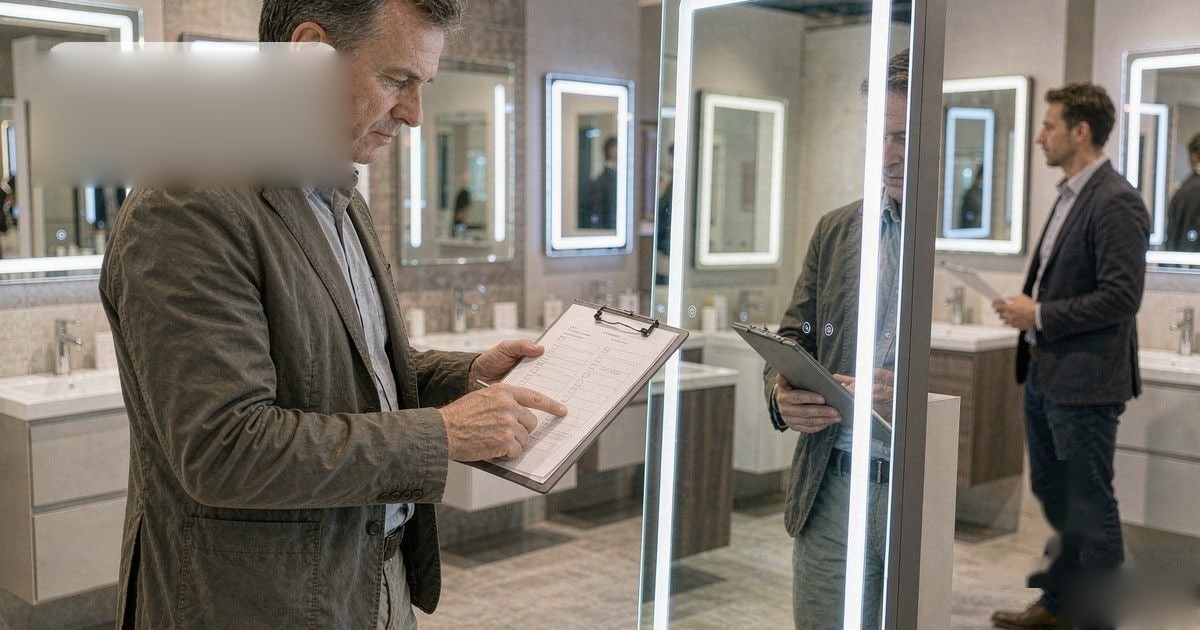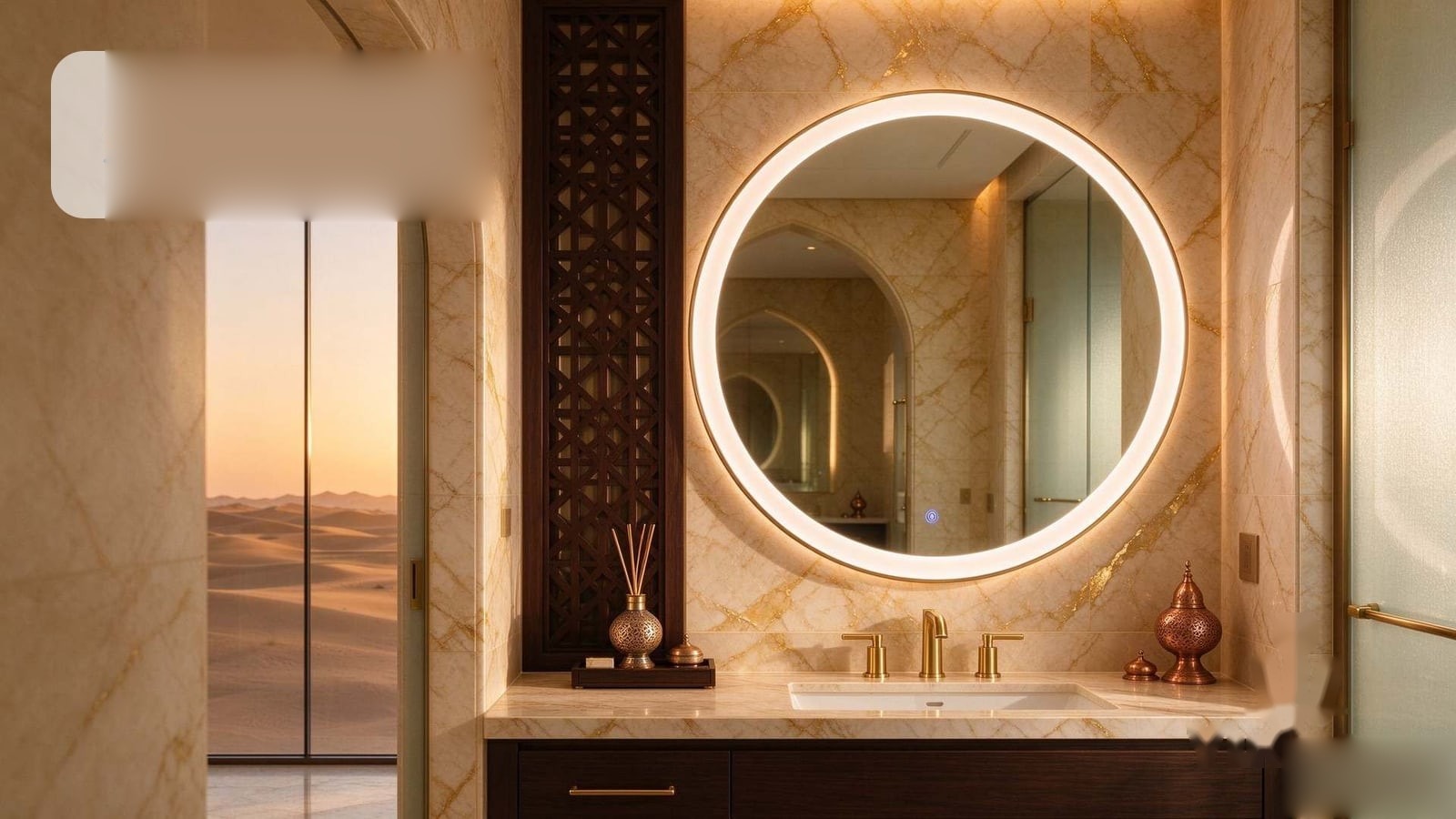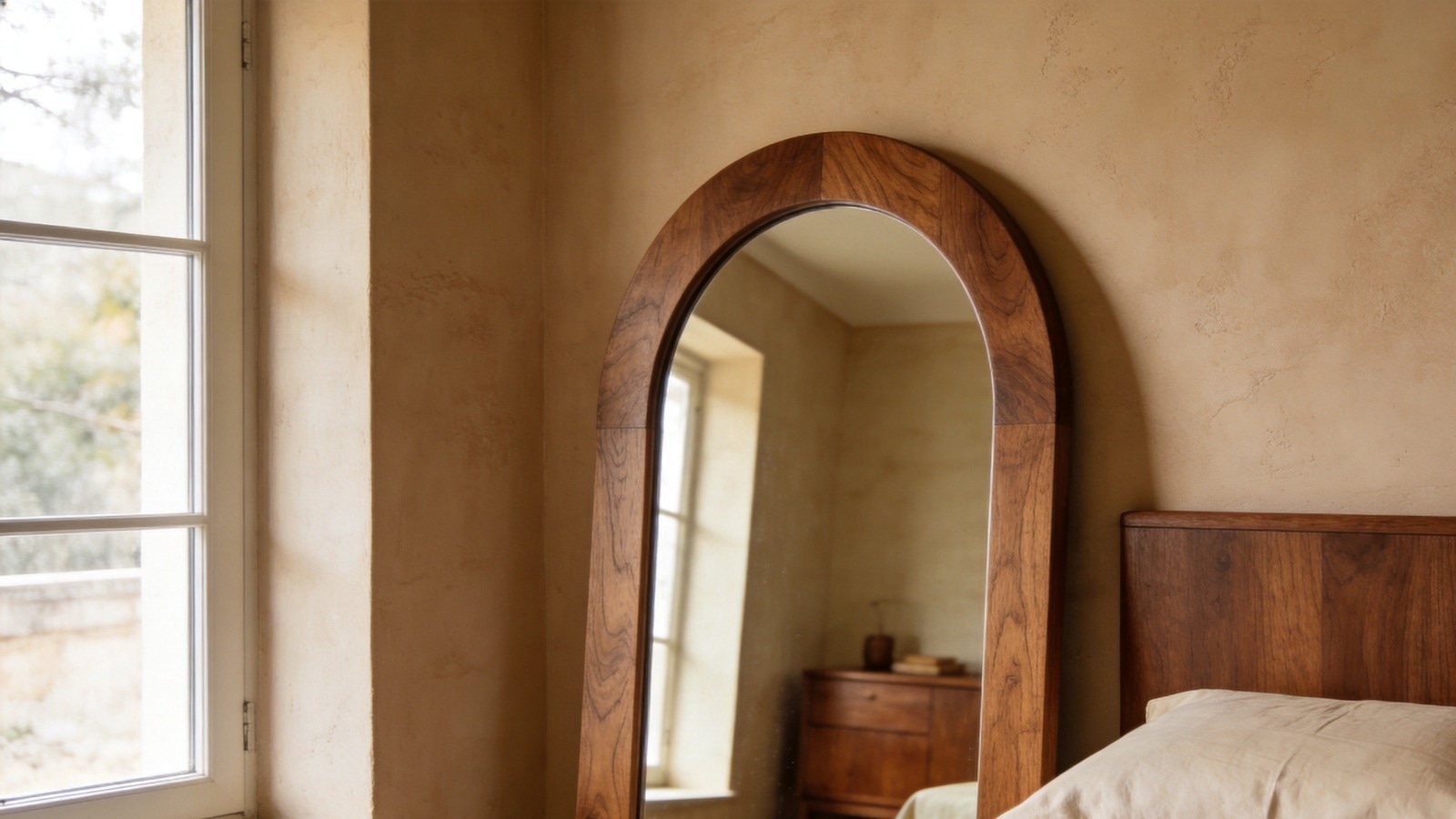
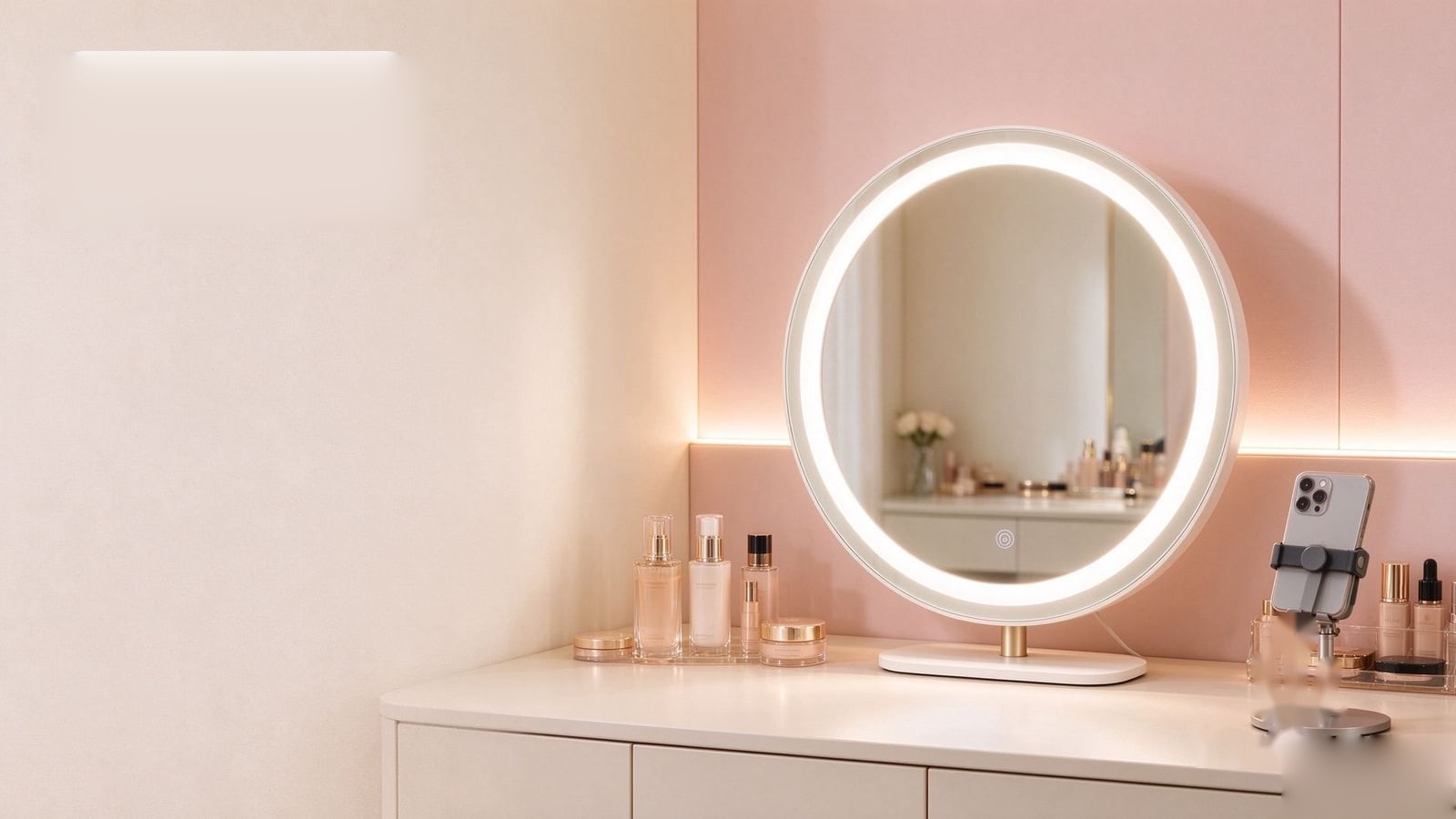
Influencer-led commerce and social selling have turned product photography into a sales channel of its own. For TikTok Shop sellers, Instagram storefronts and DTC lifestyle brands, a product that lights itself — like a smart LED mirror — carries a built-in advantage: it looks premium on camera without a studio setup. This guide is for social commerce brands sourcing smart mirrors for the first time: what wins on camera, what a factory must deliver beyond the product, and the OEM path from a viral campaign to a repeatable SKU.
Why Smart Mirrors Win on Camera
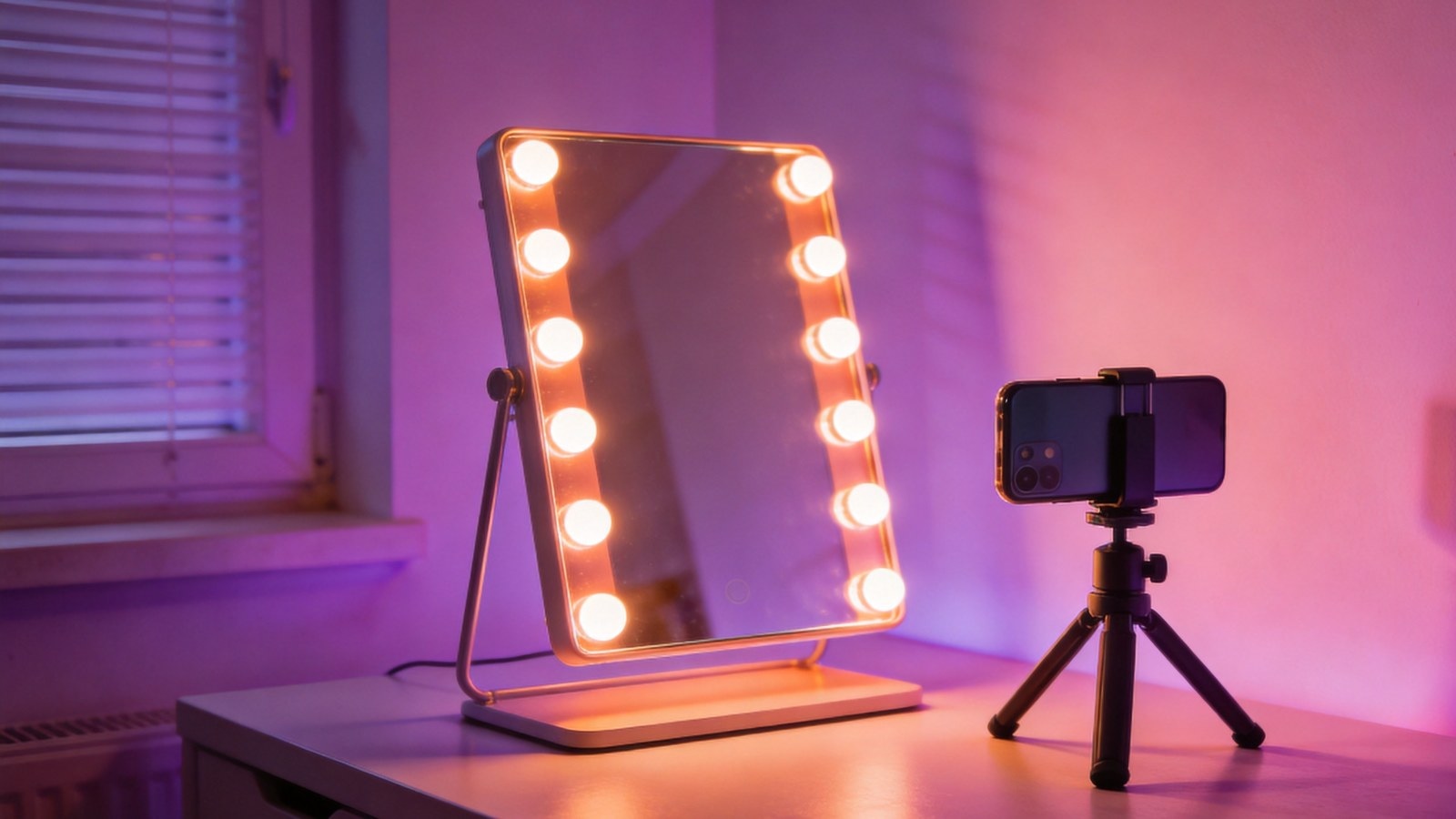
Three built-in features make smart mirrors unusually strong visual commerce products:
- Backlit lighting as a built-in light source: a backlit mirror illuminates the subject evenly from the face plane, which is exactly the light direction content creators want — no extra ring light needed for a clean beauty shot.
- Color temperature modes: tri-color dimming (3000K warm / 4000K natural / 6000K cool) lets creators match any mood or skin-tone look in-camera, and doubles as a feature demo in the content itself.
- Touch and motion interaction: showing the touch dimmer, the anti-fog pad and the motion sensor gives creators natural "moment" content — unbox, tap, watch it glow, film the reveal. Interaction beats a static product shot every time.
For the channel-level buying view — Amazon, wholesale and DTC paths — start from the smart mirror wholesale sourcing guide.
What Influencer Brands Need from a Factory
Social commerce brands operate on campaign cycles, not annual planning. The factory relationship has to match that rhythm:
- Small MOQs for capsule launches. A first drop may be 20–50 units to test demand before scaling. Factories that offer MOQ 20 on stocked lines let brands validate content and conversion before committing to containers.
- Fast re-run capability. A campaign that outperforms needs restock in weeks, not months. Ask about repeat-order lead time after the first run — the answer reveals whether the factory holds tooling and materials.
- Sample-first development. Content creators need the physical unit for unboxing videos and lighting tests. A 7–10 day sample cycle with free sample development on qualified projects keeps campaigns on schedule.
- Visual consistency across runs. Color temperature binning, finish matching and packaging must hold batch to batch — a visible mismatch between a viral video and the shipped unit is a refund and a bad review.
- Photography-friendly packaging. A clean carton, a protective sleeve and a simple instruction card create a branded unboxing moment for the camera, at cents per unit.
From Campaign to SKU: The OEM Path
The step-by-step route from a content idea to a repeatable product:
- Define the visual concept. Finish, size, lighting modes and the "hero moment" the content will show.
- Spec with the factory. Glass type, IP rating, LED driver, controls and certification target market.
- Sample and film. Develop the sample, shoot the unboxing and lifestyle content, and validate the lighting on camera.
- Launch small, measure. MOQ 20–50 first drop; track content performance and conversion.
- Scale the winner. Re-run in larger batches, add private-label packaging, and expand color or size variants.
Private-label and customization depth — finishes, logos, smart upgrades, pre-shipment inspection — is covered in our OEM/ODM customization guide. For factory economics and direct sourcing numbers, see the factory-direct guide.
Compliance for Social-First Brands
A camera-first brand signs the same paperwork as any importer. Responsibility for the product-safety file lands with the brand under the General Product Safety Regulation the moment the mirror ships under its name, and the IP rating promised in a launch video should trace to the IEC 60529 code it was tested against — audiences forgive a soft launch, not a customs hold.
| Launch promise | Document behind it |
|---|---|
| "Backlit halo, 3 CCT modes" | Driver spec + CCT test data |
| "Bathroom-safe" | IP report per IEC 60529 |
| "Ships from EU warehouse" | GPSR responsible-person file |
FAQ
What MOQ do social commerce brands need for a first drop?
A stocked smart mirror line starts at MOQ 20, which is small enough to test a campaign without committing to a container. Custom finishes and private-label packaging usually raise the minimum.
Can I get a sample before committing?
Yes — sample development typically takes 7–10 working days, and qualified projects get sample development at no charge. The sample doubles as your filming prop, so order it before the content calendar is locked.
Which certifications matter if I sell through TikTok or Instagram?
For the US, ETL/UL for electrical products; for the EU, CE + RoHS. Marketplaces increasingly check documentation at listing time, so model-level files are worth securing before launch.
How fast can a factory re-run a successful SKU?
Repeat orders on stocked lines run 15–25 days after confirmation; holding tooling and component stock for a proven SKU shortens that further. Ask the factory to commit the repeat lead time in writing.
Do I need a warehouse partner for the US?
For TikTok Shop and Amazon, yes — most brands use an FBA-compatible or third-party logistics flow. Your factory should be able to ship directly to the FC or 3PL with compliant cartons.
Source with YuCron for Social Commerce
YuCron manufactures smart LED mirrors in Shahe, Hebei, China for brands selling in North America, Europe and the Middle East — with MOQ 20, 7–10 day samples, OEM/ODM customization and model-level certification files. For campaign launches, we build the SKU around your content, not the other way around.
Launching a smart mirror line? Contact the YuCron team with your target market and hero moment, and we'll return a sample plan, certificate map and first-drop pricing.