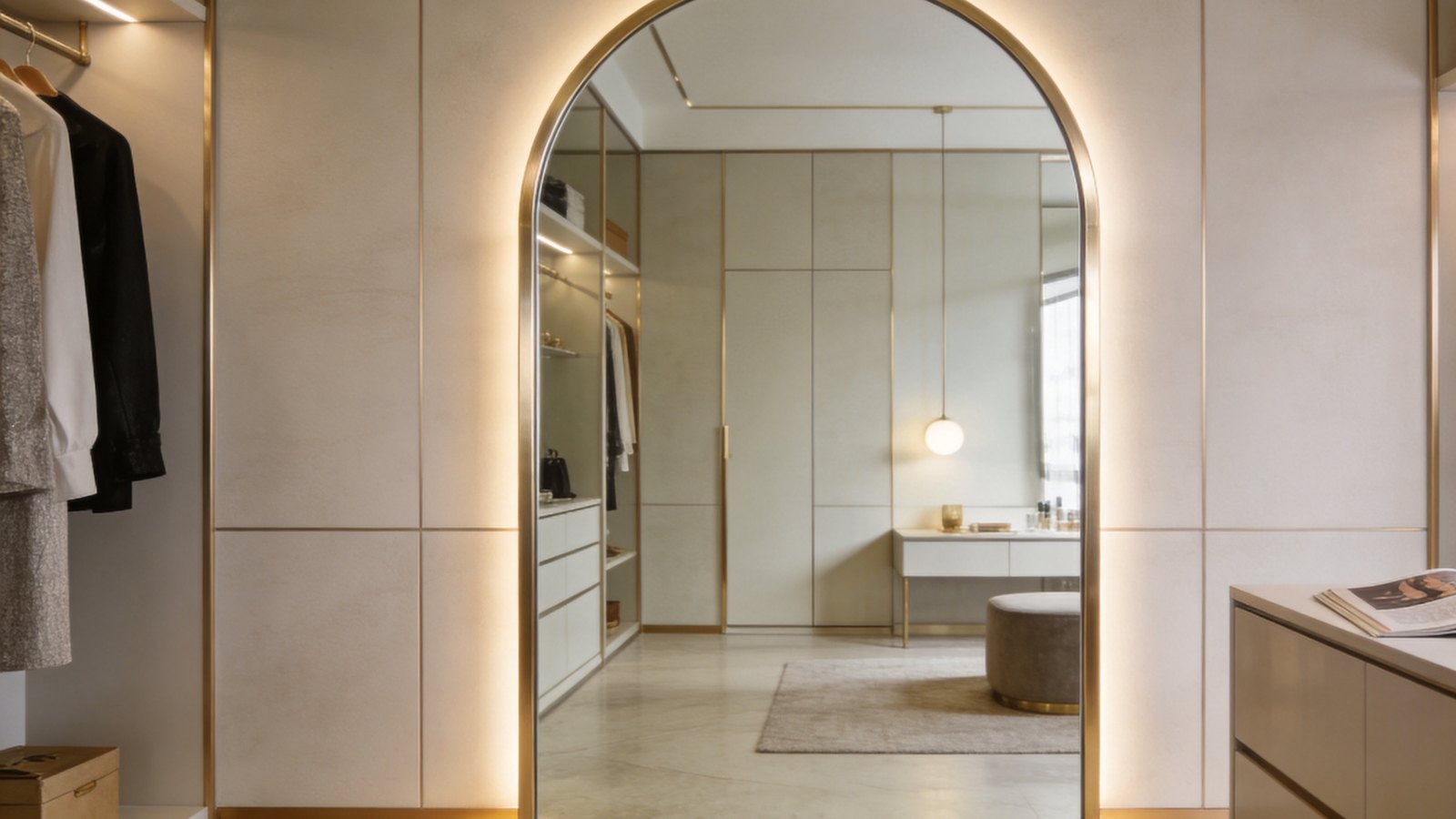
A smart mirror is a mirror with integrated electronics — LED backlighting, touch controls, anti-fog heating, and in higher models Bluetooth, WiFi or a built-in display — that turns an everyday bathroom object into a higher-margin product. Across the US, Europe and the Middle East, three buyer groups drive demand: distributors filling hotel and renovation projects, Amazon sellers building differentiated SKUs, and influencer-led brands selling on visual appeal.
One thing unites them: the supply decision decides the outcome. This guide covers how each buyer type should buy and the core checks before a deposit, then hands off to the specialist guides for each stage. For the margin case behind skipping the middleman, read our direct-factory sourcing guide.
Three buyers, three ways to buy
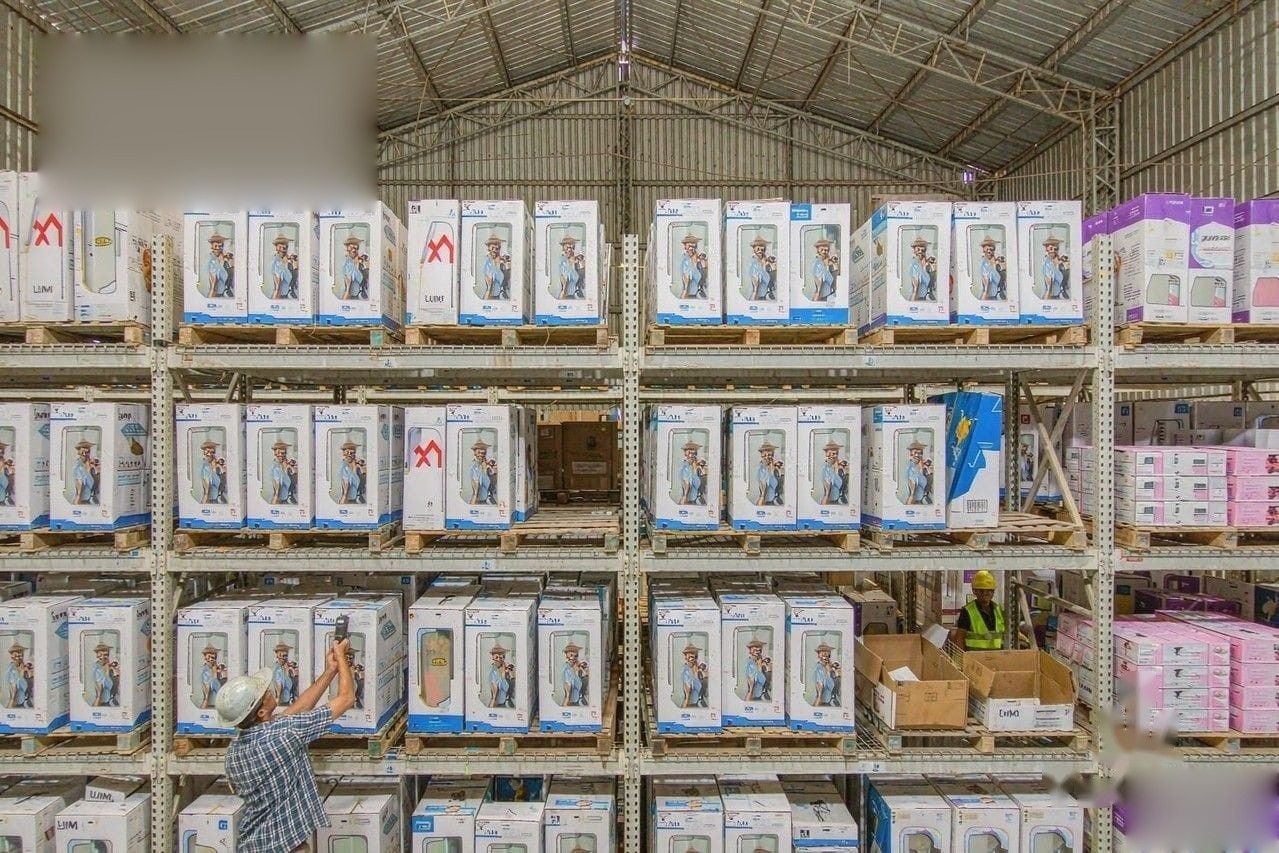
Distributors and importers buy volume and live on repeat orders. Their risk is inventory that cannot be sold — so compliance files, voltage matching and written QC terms matter more than unit price. A distributor ordering 1,000 units for hotel projects across the UAE and Europe cannot afford a certificate mismatch.
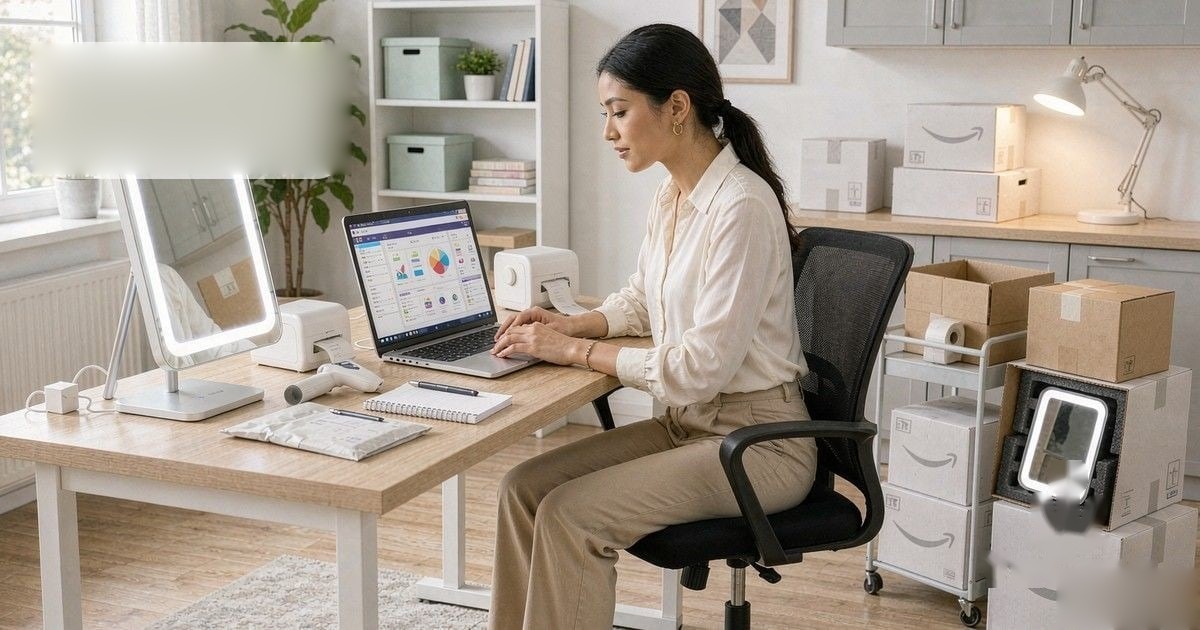
Amazon sellers buy differentiation. Anti-fog and color temperature control justify a price band that survives FBA fees; Bluetooth can carry more — if the wireless works and the certification covers the full unit, not just the LED strip.
Influencer and social-commerce brands buy speed and visuals. They need mirrors that film well — clean backlighting, responsive touch, color modes that pop on camera — and a factory that moves in small batches with fast re-runs when a video performs.
Same product, three buying logics. The common denominator is the factory behind the order.
The five checks before you order
- Full compliance file on the exact model — CE with DoC, RoHS and RED for wireless in the EU; ETL or UL plus FCC for North America; SAA/RCM for Australia; IP44+ for bathroom zones. Model numbers must match the order.
- Electronics safety — certified driver, correct voltage (110–120V US vs 220–240V EU and Middle East), and heat management.
- Feature stability, not feature count — test the touch switch, run the anti-fog pad for a week, check wireless reconnection.
- MOQ, lead time and packaging in writing — plus the carton structure. Glass with electronics breaks if corner protection is wrong.
- QC terms and after-sales — defect-rate standard, warranty term, and what happens with damaged units.
That is the overview. For file-by-file vetting — sample protocols, line audits, red flags — use the supplier vetting guide.
Market by market
Certification splits by destination, and one spec does not cover all of them. Europe expects CE with LVD and EMC reports and a declaration naming your model. North America expects ETL or UL on the full unit, plus FCC for wireless. The Gulf runs 220–240V with anti-fog as a baseline in coastal humidity. Australia and New Zealand need SAA or RCM, and are routinely overlooked until a shipment is held.
Each market carries its own spec sheet — the EU, US & Middle East compliance guide covers all three in detail.
Why the factory behind it matters

A trading desk sits between you and the line that built the unit. A manufacturer does not: it cuts the glass, assembles the driver and touch sensor, and answers for the result. The practical differences — price, lead time, customization depth, and who pays when a batch fails — are set out in the factory-direct guide.
For a distributor, that means project volumes from 50 to 5,000 units with phased delivery. For an Amazon seller, a launch without certification surprises — US sellers should run the LED bathroom mirror US checklist first. Hotel buyers can start from the hotel project guide.
Branding it: OEM and ODM
Most smart mirror brands start with a spec, not a product. Custom sizes, shapes, finishes, logo printing and private-label cartons each carry their own minimum and lead time — and each one changes the certification file if the electronics change. The private-label OEM guide walks the three customization tiers and the minimums on each.
The Reference Files Behind a Wholesale Quote
Quotes age faster than regulations. The ratings separating bathroom stock from bedroom stock trace to the IEC 60529 ingress-protection code; EU-bound smart mirrors travel with a technical file the importer answers for under the General Product Safety Regulation; and marketplace documentation rules published for sellers (seller requirements) decide what an FBA inbound team will accept.
| Buyer type | What gates the order |
|---|---|
| Distributor | Tier pricing + mixed-SKU pallets |
| Hotel project | IP + dimming spec per room class |
| Amazon seller | Carton rules + electrical docs |
FAQ
What is a smart mirror?
A mirror with integrated electronics — LED backlighting, touch controls, anti-fog heating, and in higher models Bluetooth, WiFi or a built-in display. It is the higher-margin step above a plain LED mirror.
What certifications do smart mirrors need for the US and Europe?
Europe: CE with a Declaration of Conformity and RoHS, plus RED for wireless models. North America: ETL or UL on the full unit, plus FCC. Australia and New Zealand: SAA/RCM. IP44 or higher for bathroom zones.
What is the typical MOQ and lead time?
MOQs vary by model and customization; project volumes run from 50 to 5,000 units. Lead times are typically 20–45 days plus freight. Get both in writing before paying a deposit.
How do I avoid returns on smart mirrors?
Test samples before the container order, demand drop-test-grade packaging, and only launch wireless models you can stress-test.
Which smart mirror features sell best?
Anti-fog, touch dimming and color temperature control drive the most sales. Bluetooth is a differentiator with higher margin — and higher certification and return risk.
Source smart mirrors from the factory that cuts the glass
Whether you are stocking hotel projects in Dubai, launching an Amazon brand in the US, or building a content-ready SKU — the order starts with documents, samples and written QC terms.
Get a quote — tell us your market, buyer type and target quantity. A sales engineer replies in English within 4 working hours, with real prices and the certification files your destination needs. Request a quote or browse the smart mirror range.